

TriClean for
PFAS concentrate treatment
Start with your water
Decide with evidence
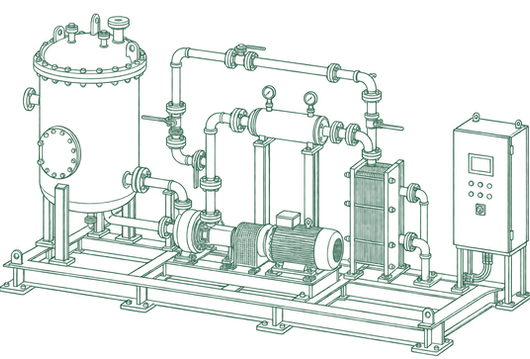
TriClean combines hydrodynamic cavitation, advanced oxidation and adsorption in a configurable treatment platform.
Discuss a focused pilot to assess performance and process fit before a larger investment.
YOUR APPLICATION
Testing around your water
YOUR INVESTMENT
Scope and budget agreed upfront
YOUR PROCESS
Integration assessed with you
THE TREATMENT OPPORTUNITY
The next step
after capture
Capture and separation technologies remove PFAS from water but leave them in spent media or concentrated liquids.
TriClean combines hydrodynamic cavitation and advanced oxidation with final adsorption to eliminate PFAS from selected liquid streams through degradation followed by capture of residual contaminants.
Work with existing systems
Evaluate a defined connection point within your current treatment process
Focus on selected streams
Start with the composition, volume and contaminant profile of your liquid residual
Assess the full economics
Consider treatment performance alongside energy, reagents and residual handling
HOW TRICLEAN WORKS
Three technologies More effective together
TriClean combines hydrodynamic cavitation and advanced oxidation to destroy PFAS and other persistent contaminants, followed by adsorption to capture what remains.
The three technologies work as one integrated process to achieve more effective treatment than each used alone. Every configuration is tailored to your wastewater and treatment goals.
TriClean’s treatment process has been tested in collaboration with the University of L’Aquila, demonstrating its effectiveness on the contaminants evaluated.
TREATMENT PATHWAY


Selected liquid stream
Membrane concentrate
or applicable regeneration eluate
Cavitation + oxidation
Reaction conditions
defined through testing
Adsorption polishing
Capture of residual
adsorbable compounds.
Spent adsorbent
management
Treated liquid
Output characterization
and management